Zara Reed · 3 October 2026
Examining Skill Building Sequences Among Regional Contractors Adopting Targeted Building Design Applications in Everyday Project Cycles
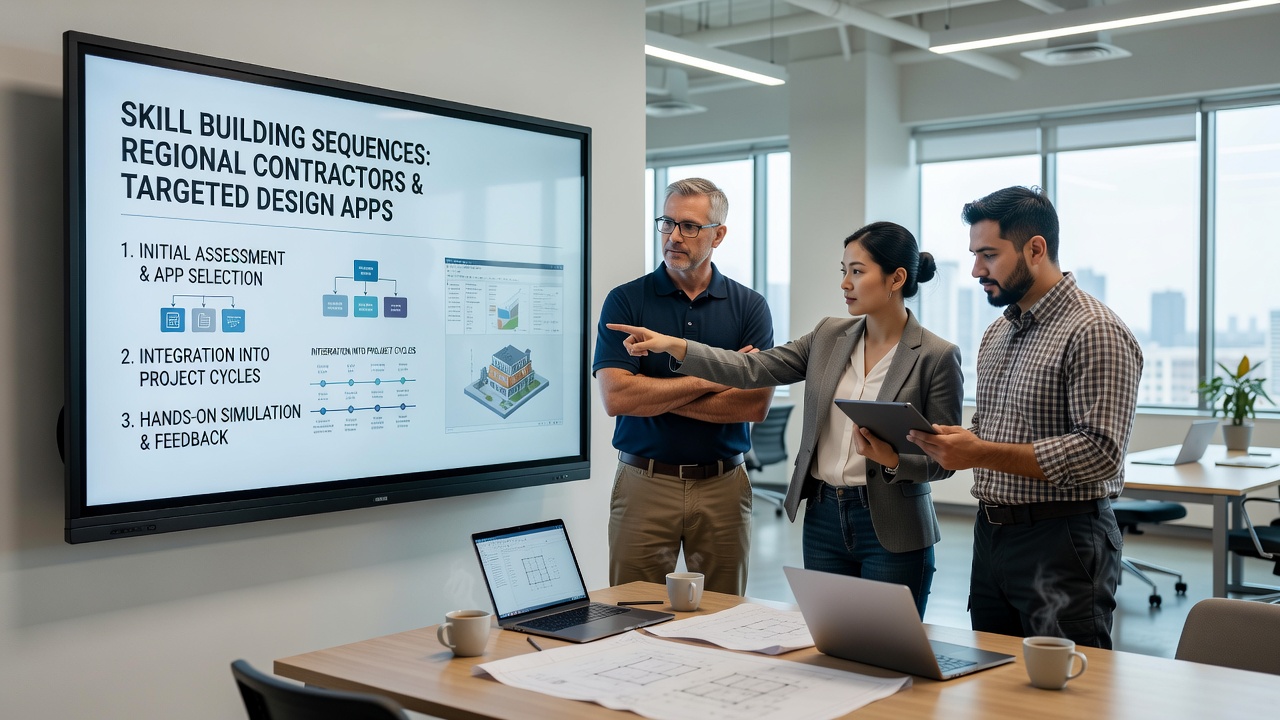
Regional contractors across multiple areas have integrated targeted building design applications into their standard project workflows over recent years. These tools include specialized software for drafting, modeling, and simulation that support daily tasks from initial estimates through final inspections. Skill development follows observable patterns as teams move from basic tool familiarization to full incorporation within bidding, design, execution, and review phases. Data from industry tracking shows adoption rates rising steadily since 2023, with smaller firms in rural and suburban zones often starting with modular training programs. Contractors typically begin with core functions such as 2D drafting before advancing to 3D modeling and clash detection features. This progression aligns with project timelines where teams apply new skills directly to active jobs rather than isolated exercises.Patterns in Skill Acquisition
Observers note that skill sequences often unfold in stages tied to project milestones. Initial exposure happens during off-peak periods when teams review software tutorials and complete guided simulations. Next comes supervised application on low-risk elements like site layouts or material lists, allowing users to test commands without disrupting overall schedules. Advanced stages involve collaborative sessions where multiple contractors share screen views to resolve design conflicts in real time.
Research indicates these sequences accelerate when paired with existing workflows instead of standalone courses. For example, a firm handling residential renovations might introduce parametric modeling during the permitting phase, then refine those models during material procurement. Such integration reduces the time between learning and practical use, according to figures from construction labor analyses.
Regional Variations in Adoption
Contractors in different geographic zones exhibit distinct approaches shaped by local regulations and project types. Midwestern teams frequently emphasize energy modeling tools due to climate-specific codes, while coastal groups prioritize flood simulation features. Training resources vary accordingly, with some areas relying on vendor-led workshops and others using peer networks within regional trade associations.
In October 2026, updated statistics from the U.S. Census Bureau construction division highlighted increased software usage among firms with fewer than fifty employees, particularly those managing mixed commercial and infrastructure projects. Similar trends appear in reports from the Australian Bureau of Statistics, which track building and construction activity and note parallel skill shifts in regional markets.
Integration into Project Cycles
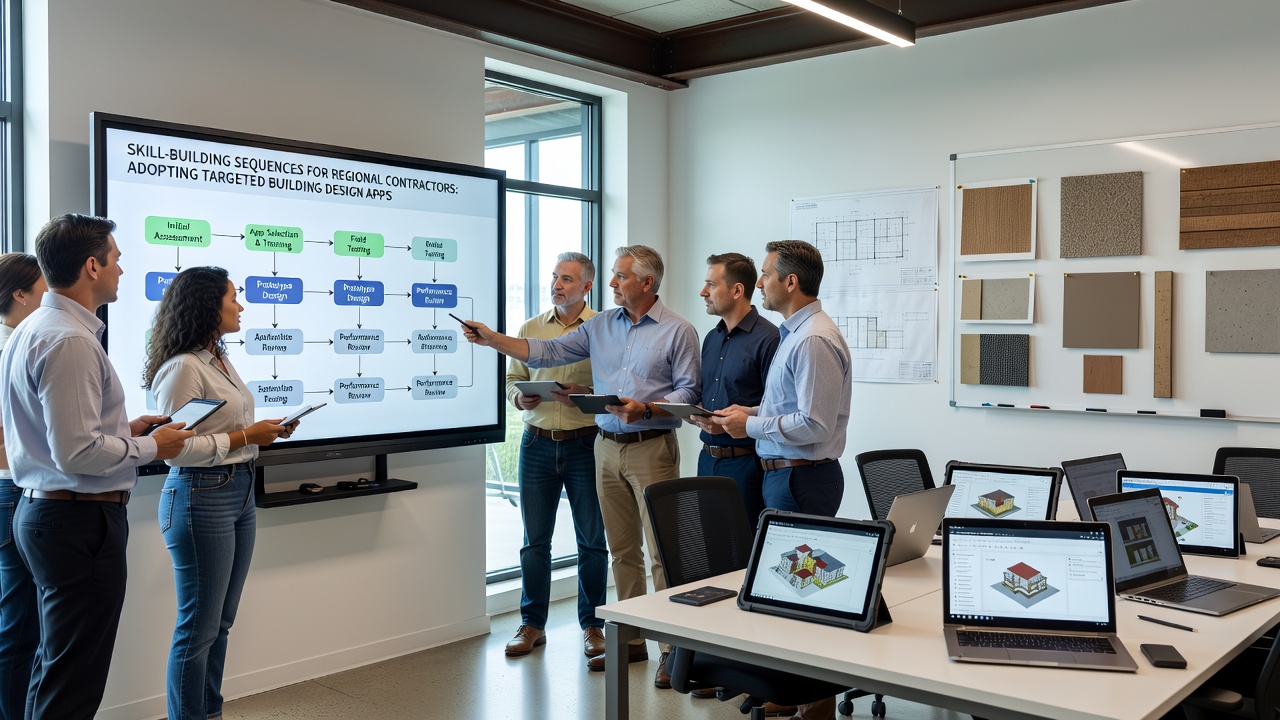
Everyday cycles demonstrate how new competencies embed into recurring tasks. During bidding, contractors use design applications to generate accurate quantity takeoffs that feed directly into cost proposals. Design phases incorporate iterative modeling where changes propagate automatically across drawings and schedules. Execution stages rely on mobile access to updated models for field verification, and review periods utilize simulation outputs to document compliance.
Studies from engineering research groups show that teams maintaining consistent practice across these phases retain skills longer than those relying on periodic refreshers. Regional differences emerge here too, as firms in areas with seasonal work patterns schedule intensive training during slower months to prepare for peak activity.
Supporting Factors and Resources
External resources play measurable roles in sequence development. Industry organizations provide certification paths that map to specific application features, while academic partnerships supply case examples drawn from completed projects. Government agencies in various regions publish guidelines on digital tool standards that contractors reference during implementation.
One documented approach involves layering short, focused modules onto daily stand-up meetings rather than full-day sessions. This method allows immediate testing on current drawings and supports incremental mastery. Data collected by the European Construction Industry Federation tracks how such blended methods correlate with faster rollout across member countries.
Conclusion
Skill building among regional contractors follows structured sequences that connect software capabilities to the demands of ongoing projects. Patterns emerge from initial exposure through collaborative refinement, with regional factors influencing pace and emphasis. Continued tracking of these developments provides insight into how targeted applications become standard elements of construction practice across diverse settings.